

How the LVS EN IEC 62446-2:2020 Standard Improves Solar Farm O&M Quality
The sustainable and profitable operation of solar farms depends directly on effective Operation and Maintenance (O&M). The LVS EN IEC 62446-2:2020 standard sets out criteria that ensure optimal system performance and safety.
Introduction: The Role of Standards in the Solar Energy Industry
The solar energy industry in Latvia and worldwide is experiencing rapid growth, demanding not only the construction of new farms but also professional and standardised maintenance of existing systems. To ensure long-term return on investment, it is crucial to adhere to internationally recognised Operation and Maintenance (O&M) standards.
One such fundamental document is LVS EN IEC 62446-2:2020 – "Photovoltaic (PV) systems. Minimum requirements for documentation, commissioning tests, maintenance and monitoring of PV systems. Part 2: Requirements for maintenance systems". This standard serves as a guide for optimal solar farm maintenance, performance assurance, and safety guarantees.
What is LVS EN IEC 62446-2:2020 and Why is it Important?
LVS EN IEC 62446-2:2020 is an international standard that defines the minimum requirements for photovoltaic system maintenance systems. It covers documentation, monitoring, preventive, and corrective maintenance. The standard's objective is to ensure that solar farms operate safely, efficiently, and with expected performance throughout their intended service life.
For solar farm owners and investors, adherence to this standard is a guarantee of security. It helps to identify and eliminate potential risks, reduces unplanned downtime, and optimises production volumes, thereby directly impacting the project's financial indicators.
Practical Application of the Standard in O&M Processes
The standard defines detailed guidelines for regular system inspection and maintenance. This includes visual inspections, electrical measurements (e.g., I-V curve testing, insulation resistance checks), as well as panel cleaning and vegetation control. For instance, the standard recommends a general system inspection at least once a year, assessing both mechanical integrity and the condition of electrical components.
Data monitoring and analysis are an integral part of the standard. Continuous monitoring of system performance allows for timely detection and reaction to deviations from the norm before they cause significant losses. This includes both real-time data analysis and the comparison of historical data with forecasted values.
Integrating Technology for Compliance with Standard Requirements
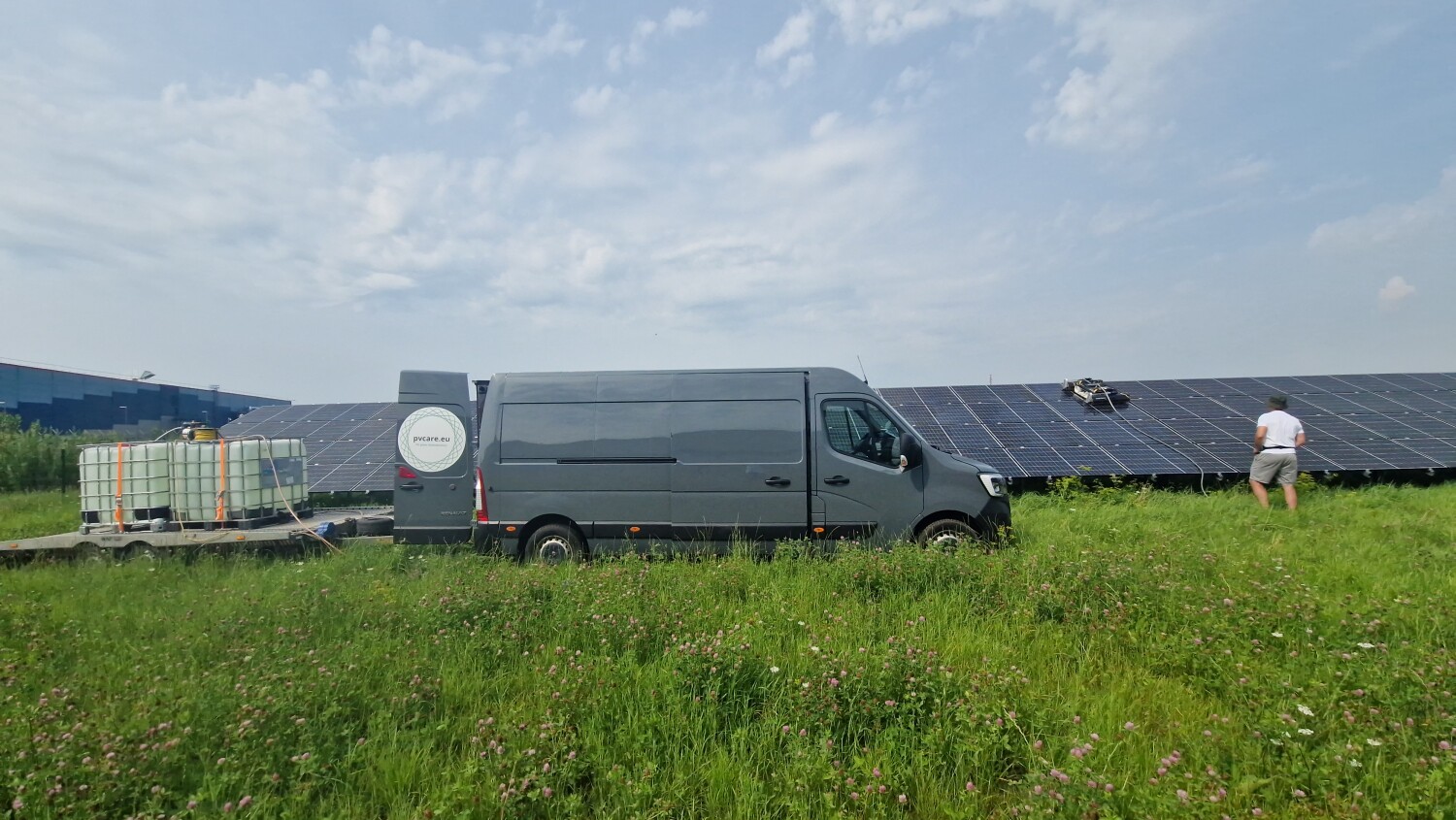
Modern technologies significantly facilitate compliance with the requirements of the LVS EN IEC 62446-2:2020 standard. For example, robotic panel cleaning with filtered water ensures optimal panel surface condition, maximising energy production while reducing the risks and costs of manual labour.
Thermal drone inspections (e.g., with the reporting platform dronepv.eu) have become an indispensable tool for early identification of defects (e.g., hot spots, damaged cells). They enable efficient and accurate scanning of large farms, providing high-quality data necessary for meeting standard requirements and proactive maintenance. The analysis of this data helps in making informed decisions about repairs and maintenance priorities.
Benefits for Solar Farm Owners and Operators
Adherence to the LVS EN IEC 6446-2:2020 standard offers several tangible benefits. Firstly, it enhances solar farm safety, reducing the risk of fire or electrical faults. Secondly, it ensures maximum energy production through regular maintenance and timely fault rectification, which directly impacts financial returns.
Thirdly, documented maintenance facilitates warranty claims and insurance processes. Fourthly, it extends the system's lifespan and preserves its value in the long term. When choosing an O&M partner, ensure they strictly adhere to the requirements of this standard, guaranteeing the sustainability and profitability of your investment.