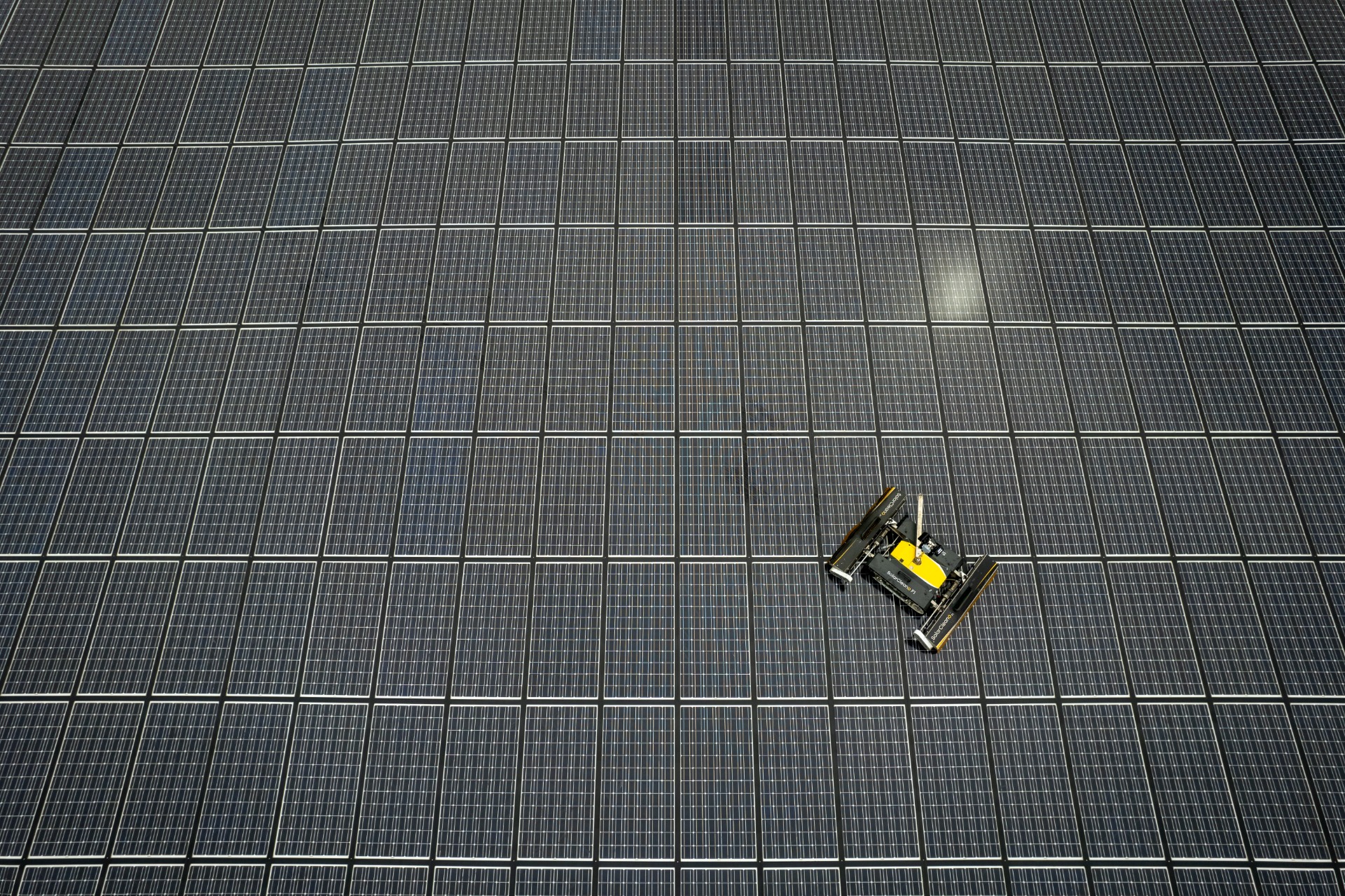
Aerial view of a solar park ready for thermal inspection
Thermal drone inspection

Thermal drone inspection

A thermal drone sees what the eye cannot. We fly the plant with a high-resolution thermal camera, identify defects before they cause yield loss, and deliver a location-based report you can act on.

01

How the inspection works

The flight is carried out under stable weather conditions, typically in the morning or late afternoon, when thermal contrast is strongest. The drone captures radiometric images of every module, string and connection. We then process the data and map each temperature anomaly to its exact location in the plant.

02

What we detect

Hot spots, micro-cracks, damaged bypass diodes, loose connections, PID effects, shading damage and dirt-induced heating. Many of these issues show no visible sign on the ground, but they appear clearly in thermal imagery.

03

Clear, evidence-based reporting

Findings are classified by severity. Each report includes the fault type, location, thermal image, temperature difference and a recommended corrective action with priority. This is the documentation insurers, lenders and manufacturers accept.

04

From inspection to monitoring

A single flight gives a snapshot, but regular flights reveal trends. We combine thermal inspection with monitoring data so you can track whether detected faults grow, whether cleaning or repairs helped, and when the next inspection is justified.

05

dronepv.eu — your findings on a map

After the flight, all data is uploaded to dronepv.eu, the platform we developed ourselves. Every anomaly is shown on a visual plant map, linked to the exact module and inverter, and classified by severity. You can share the report with your team, investor or insurer without sending spreadsheets or raw image folders.

06

When to inspect

Thermal inspection is valuable after commissioning, before warranty claims, after severe weather, when monitoring shows unexplained yield loss, or as part of an annual maintenance contract. A flight takes only a few hours and covers large plants without stopping production.

Thermal inspection in action

A pvcare.eu flight over a Baltic solar plant: thermographic data is captured module by module and turned into an actionable report.

Our own application

dronepv.eu — your plant's condition on a single screen

After every thermal drone inspection the data lands in dronepv.eu, the platform we built ourselves. Every thermographic finding, its exact location in the plant and its effect on output are visible there — no spreadsheets, no waiting for a report.

Visit www.dronepv.eu

Visual plant map

Each defect is tied to a specific module, string and inverter, so the affected spot can be found in seconds.

Clear priority order

Findings are classified by severity, so you immediately see what needs action now and what can wait.

History and comparison

Every inspection is stored, so you can compare consecutive inspections and follow the plant condition year over year.

Easy access and sharing

The application runs in the browser — open the data from the office or the field and share it with investors, insurers or your service team.

Thermal drone inspection together with dronepv.eu replaces manual module checks: the flight takes a few hours, and the result is a clear technical assessment of the plant that is understandable even to people who do not work with solar every day.

Request an offer

Ready to see what your plant is really producing?

Tell us the plant size and location — we will come back with a fixed-price offer and a suggested service window.

Guaranteed result

We send your request straight to info@pvcare.eu and reply shortly.