

Regular Inspection of Critical Components for Solar Farm Longevity and Efficiency
The long-term performance and financial returns of solar farms depend directly on the regular inspection and maintenance of critical components. This strategy reduces unscheduled downtime and ensures optimal energy production, protecting investments.
Introduction: Ensuring Long-lasting Value
In today's dynamic energy market, solar farms have become a significant source of renewable energy, requiring not only initial investment but also meticulous and systematic upkeep. To ensure maximum energy production efficiency and extend the system's lifespan, regular inspection and maintenance of critical components are an integral part of successful solar farm operation.
This blog post will provide insight into why regular inspections are essential and what key solar farm components require particular attention to guarantee optimal performance and protect long-term investments.
Why Are Regular Inspections Essential?
Regular component inspection helps identify potential defects and wear and tear in a timely manner, before they lead to significant production losses or costly damage. According to industry research, preventive maintenance can reduce downtime by up to 70% and cut overall maintenance costs by 12-18% compared to a reactive approach.
Furthermore, systematic inspections ensure compliance with warranty conditions and insurance requirements, and contribute to long-term financial stability by maintaining projected energy production levels. In accordance with the requirements of standard LVS EN IEC 62446-2:2020, an effective O&M strategy aims to ensure maximum availability and yield.
Solar Panels: Foundations and Challenges
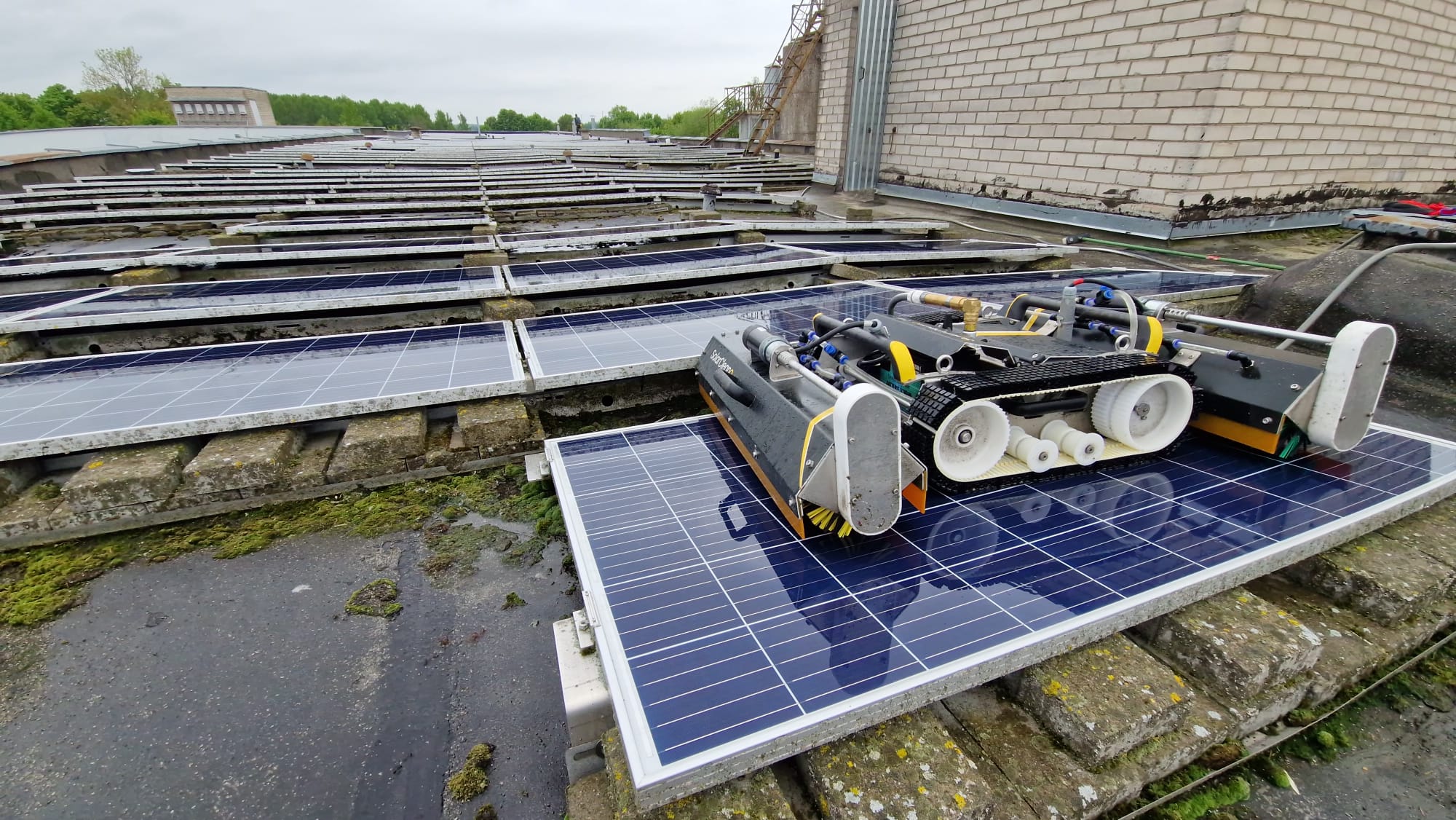
Solar panels are the heart of a solar farm, and their integrity is directly linked to the system's efficiency. Regular visual inspections are necessary to identify physical damage such as cracks, hot spots, delamination, or bird droppings, which can cause shading and reduce yield. Robotic panel cleaning with filtered water is also critical to prevent the accumulation of dirt, which can reduce panel efficiency by as much as 15-30%, depending on the location and environmental conditions.
Thermal drone inspections (for example, using dronepv.eu services) allow for the identification of hidden defects, such as cell damage or diode failures, which are not visible to the naked eye, providing accurate and rapid diagnosis over a large area.
Inverters: The Brains of the System
Inverters are responsible for converting direct current (DC) to alternating current (AC) and are among the most complex and frequently failing components in a solar farm. Their regular inspections include parameter monitoring to ensure optimal operation, as well as visual and functional checks of connections, cooling systems, and dust filters.
Regular software updates and data analysis performed with remote monitoring can provide early warnings of potential anomalies, allowing problems to be addressed before they impact production.
Electrical Infrastructure: Connections and Safety
Wiring connections, cables, fuses, switches, and lightning protection systems form the basis of the solar farm's electrical infrastructure. Regular inspections are crucial to prevent loose connections, corrosion, insulation damage, and overvoltage damage, which can lead to fire risks or system downtime. DC string testing and insulation resistance measurements are critical for ensuring electrical safety and system integrity.
Land Management and Perimeter Security
Although not directly electrical components, environmental management is vitally important for the efficiency of a solar farm. Regular grass mowing, waste collection, and vegetation control prevent shading that can reduce panel yield. Furthermore, effective perimeter security and fence maintenance are essential to protect the solar farm from vandalism and theft, ensuring investment protection.
Solar farm owners and managers must develop a comprehensive maintenance plan that includes regular inspections and preventive measures to ensure sustainable and profitable solar farm operation.