
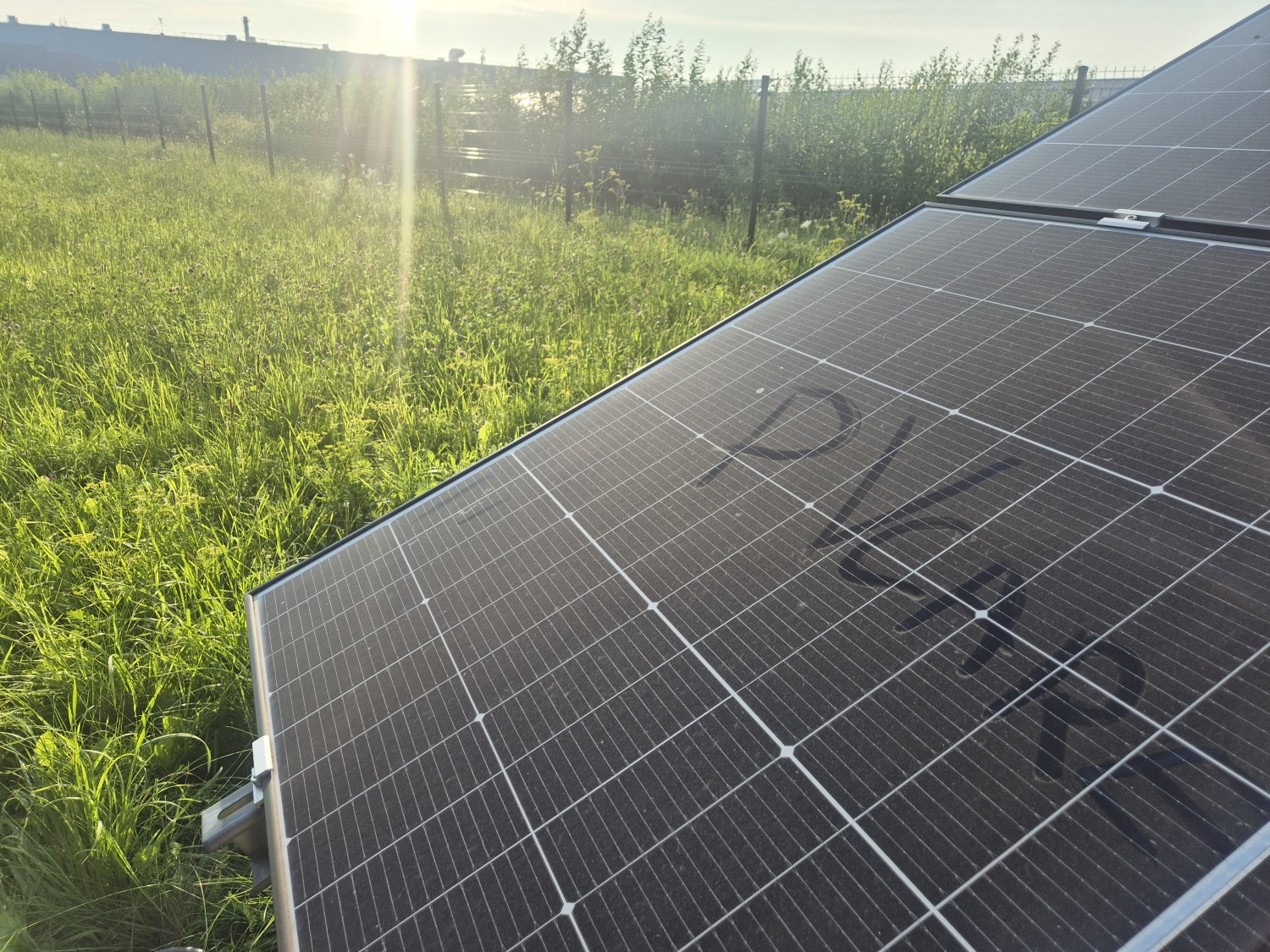
Solar Farm Ground Management: The Importance and Methods of Grass Mowing
Proper ground management in solar farms, especially grass mowing, is critical for optimal performance and safety. It helps prevent shading, reduces fire risk, and promotes biodiversity.
Introduction: The Importance of Ground Management in Solar Farms
The efficiency and longevity of solar farms depend not only on the technical condition of the panels themselves but also on the management of the surrounding environment. High-quality ground maintenance is critically important to ensure maximum energy production, system safety, and even a contribution to sustainability. Grass mowing is one of the most fundamental, yet often undervalued, elements of this management.
Overgrown vegetation can create a range of problems, from performance losses to serious safety risks. Therefore, it is essential to understand the principles of proper grass mowing and how they integrate into the overall solar farm maintenance strategy.
Shading Prevention and Performance Optimisation
One of the main reasons why regular grass mowing is mandatory is to prevent shading. Tall grass blades or other plants growing directly under or around the panels can create partial shading. Even minimal shading on a single panel cell can significantly reduce the power output of the entire panel or even a string, due to the “bottleneck” effect created by series connections. This directly impacts the solar farm's overall energy production and financial return.
Regular grass mowing ensures that panels receive the maximum amount of sunlight throughout the day, especially in the early morning and late afternoon hours when the sun's angle is lower. This maximises the return on investment and maintains the predicted performance of the farm.
Reducing Fire Risk and Enhancing Safety
Overgrown grasslands in hot and dry weather pose a serious fire risk. Electrical components within solar farms, such as inverters and cables, can heat up or generate sparks which, in contact with dry grass, can cause a fire. Such an incident can not only destroy valuable equipment but also result in significant financial losses and endanger the surrounding environment.
Properly maintained grasslands with regular mowing significantly reduce this risk. Clean, mown areas around electrical equipment and fire access routes are an integral part of farm safety. The LVS EN IEC 62446-2:2020 standard, which specifies minimum requirements for the operation and maintenance of photovoltaic systems, indirectly also emphasises fire safety aspects that are closely related to ground management.
Ensuring Access and Promoting Biodiversity
In addition to performance and safety, grass mowing provides easy access to solar panels and other equipment during maintenance and repair work. Without proper ground upkeep, technicians' work becomes difficult and potentially dangerous, increasing maintenance time and costs.
Furthermore, modern solar farm management increasingly integrates biodiversity principles. Selective grass mowing, for example, leaving unmown areas between panel rows or in specific parts of the farm, can promote the development of local plant and insect species. This approach can improve the farm's ecological footprint and create additional environmental benefits, aligning energy production with nature conservation. By collaborating with experienced service providers, such as pvcare.eu, a customised ground management plan can be developed that considers both the farm's performance goals and environmental aspects.
Conclusion
Ground management in solar farms, especially regular and thoughtful grass mowing, is not merely an aesthetic matter. It is an integral component for ensuring the long-term efficiency, safety, and sustainability of a solar farm. By investing in proper management strategies, solar farm owners and operators can not only increase energy production and reduce operational risks but also foster a responsible approach to the environment.
pvcare.eu offers professional ground management services, including robotic grass mowing, which ensures precise and efficient maintenance of the farm area, adapting to the specifics and objectives of each project.