
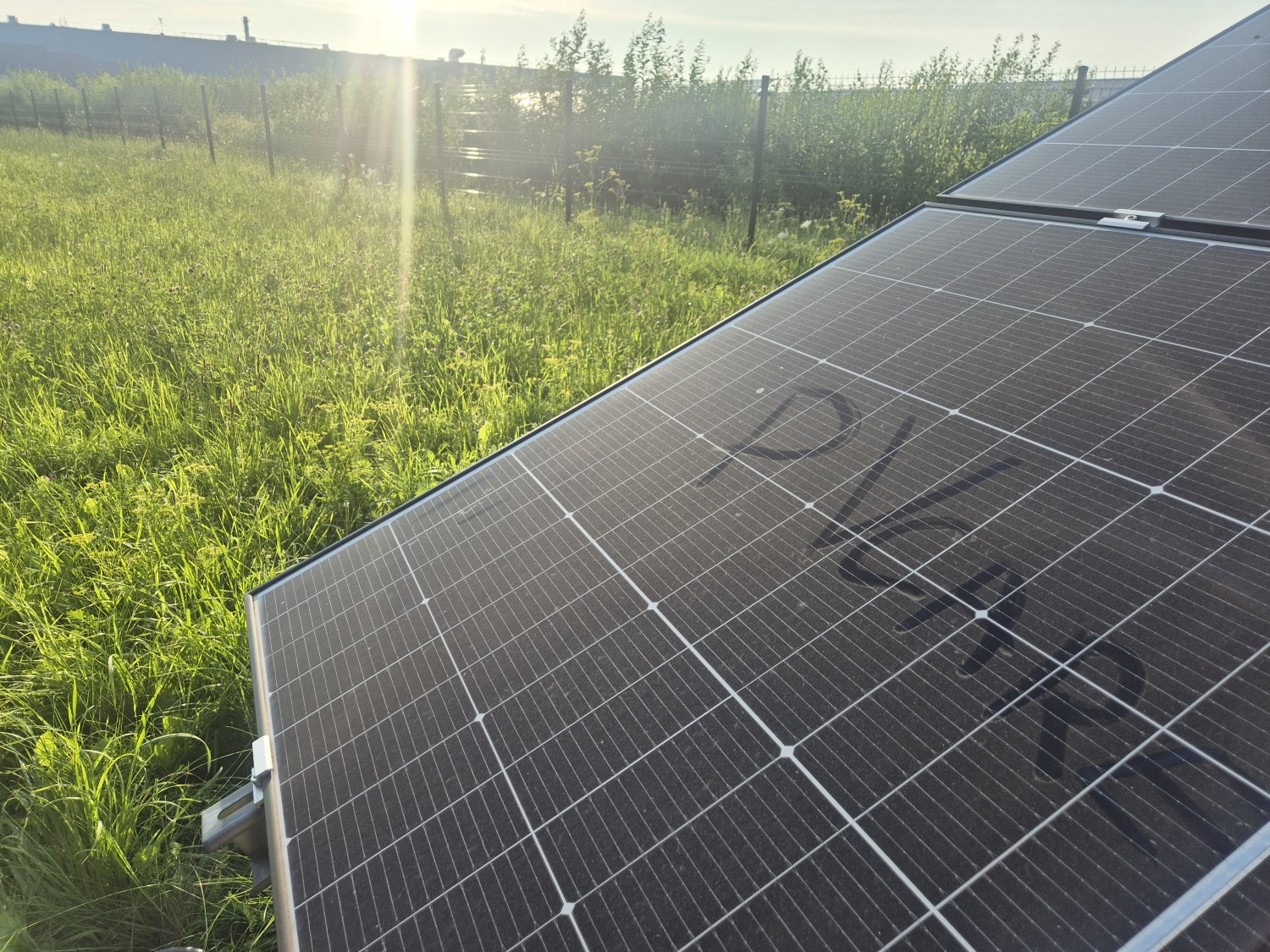
Solar Farm Land Management Strategies for Efficient Performance
Proper land management at solar farms is critically important not only for environmental preservation but also for ensuring energy production efficiency and equipment longevity. By optimising vegetation control, the financial returns of solar farms can be significantly increased.
The Importance of Vegetation Control in Solar Farms
Vegetation within solar farm territories can create several significant problems that affect both energy production efficiency and infrastructure safety and lifespan. Uncontrolled growth of grass and shrubs can shade panels, leading to partial shading and substantial power losses, which can reach as much as 10-20% depending on the density and height of the vegetation.
Furthermore, tall vegetation hinders access to panels and other equipment during maintenance and repair work, increasing labour costs and time. The prolonged presence of vegetation can also promote moisture accumulation around equipment, which can accelerate corrosion and damage cables or connections, as well as increase the risk of fire, especially during dry periods.
Professional land management ensures continuous vegetation control, thereby maintaining an optimal environment for the efficient and safe operation of solar farms. Regular grass mowing and weed control are necessary to preserve solar panel performance and prevent potential damage.
Grass Mowing Strategies and Frequency
The frequency of grass mowing in solar farms depends on several factors, such as the regional climate, soil type, and plant growth rate. In Latvian conditions, typically 3-5 mowing cycles per year are required to ensure optimal vegetation height, not exceeding 20-30 cm. The first mowing is usually carried out in spring, when intensive plant growth begins, and the last – in autumn, to prepare the farm for the winter period.
It is important to choose appropriate mowing methods that minimally disrupt solar panel operation and do not pose a risk of equipment damage. Robotic grass mowing offers an efficient and economical solution, as it reduces the need for human resources, can operate autonomously, and adapt to the farm's configuration, ensuring a uniform grass length throughout the entire area.
Other Vegetation Control Methods
In addition to regular grass mowing, other vegetation control methods are available that can be useful depending on the specific situation. Chemical weed eradication can be effective in areas where mechanical mowing is difficult or impossible, such as around panel supports or electrical cabinets. However, it is crucial to use environmentally friendly and approved herbicides, observing all safety regulations.
Mulching is another method that helps reduce weed growth and retain soil moisture. It can be used in specific areas, such as around inverters or other sensitive equipment. In some cases, controlled grazing (e.g., sheep) is also considered, which can provide natural vegetation control but requires careful planning and supervision to avoid equipment damage.
It is important to develop an integrated vegetation control plan that combines various methods to ensure a comprehensive and effective solution, taking into account both the farm's specific characteristics and environmental requirements.
Impact of Land Management on Solar Farm Value and Longevity
A professionally maintained solar farm territory not only enhances visual appeal but also directly impacts the farm's financial performance and asset value in the long term. Effective vegetation control reduces shading, ensuring maximum energy production and increasing revenue. It also extends the lifespan of equipment by preventing damage that could be caused by unmanaged vegetation.
Regular land management helps identify and address potential problems proactively, such as soil erosion or pest infestations, which could threaten the farm's infrastructure. A well-maintained solar farm is more attractive to investors and reflects a responsible approach to asset management. Thus, investments in land management pay off with more stable energy production, lower operating costs, and higher farm value.