
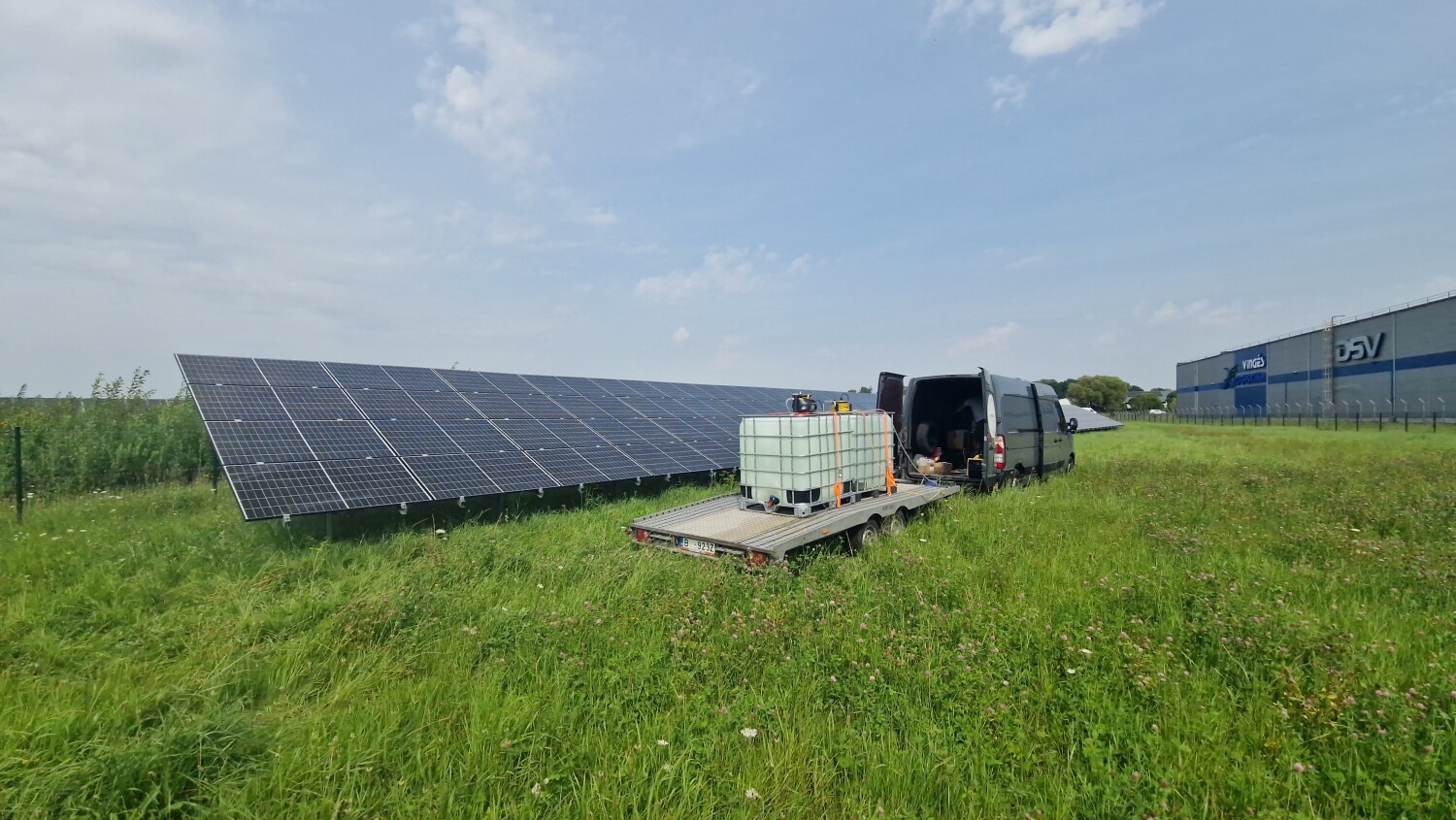
Solar Panel Cleaning: Adhering to Manufacturer Guidelines is Crucial
The efficient operation of solar panels depends on cleanliness. This article highlights the importance of following manufacturer specifications during the cleaning process to ensure maximum energy production and longevity.
Introduction: The Role of Cleanliness in Solar Panel Performance
Solar panel systems are a long-term investment, designed to generate electricity for decades. While solar panels are generally durable and require low maintenance, their efficiency is significantly affected by surface cleanliness. Dust, pollen, bird droppings, and other debris can substantially reduce solar light absorption and, consequently, energy production.
Studies show that dirty panels can reduce energy production by 5-20%, depending on the location and degree of soiling. Therefore, regular and correct cleaning is a fundamental component for the optimal operation of solar farms and ensuring return on investment.
Why Are Manufacturer Guidelines Critically Important?
Every solar panel manufacturer provides detailed guidelines for the maintenance and cleaning of their products. These instructions are developed based on material composition, panel design, and testing results. Non-compliance can lead to serious consequences, ranging from warranty invalidation to damage to the panel surface or even irreversible performance degradation.
Manufacturer specifications include information on permissible cleaning methods, suitable liquids (e.g., demineralised water), permissible pressure, temperature limits, and cleaning frequency. Ignoring these guidelines can lead to micro-scratches, damage to the anti-reflective coating, or water ingress into the module interior.
What Are Typical Manufacturer Requirements for Cleaning?
Most solar panel manufacturers recommend using clean, demineralised, or filtered water to avoid mineral deposits on the panel surface. It is often also specified that panels should be cleaned during cooler parts of the day (morning or evening) to prevent rapid temperature changes and water evaporation, which can leave streaks.
Regarding cleaning methods, manufacturers typically endorse gentle, contactless cleaning or cleaning with soft brushes or robots that do not exert excessive pressure on the panel surface. The use of abrasive materials, strong chemical cleaning agents, or high-pressure washers, which can damage the panel surface or sealing, is strictly prohibited.
Professional Cleaning and Its Advantages
It is essential for solar farm owners and asset managers to consider using professional cleaning services. Experienced service providers, such as pvcare.eu, utilise specialised equipment (robotic panel cleaning with filtered water) and methods that comply with the requirements of all leading solar panel manufacturers.
Professional services ensure that cleaning is performed safely, efficiently, and without the risk of damaging valuable equipment. This not only extends the lifespan of the panels but also guarantees maximum energy production efficiency, optimising return on investment throughout the solar farm's entire life cycle.