
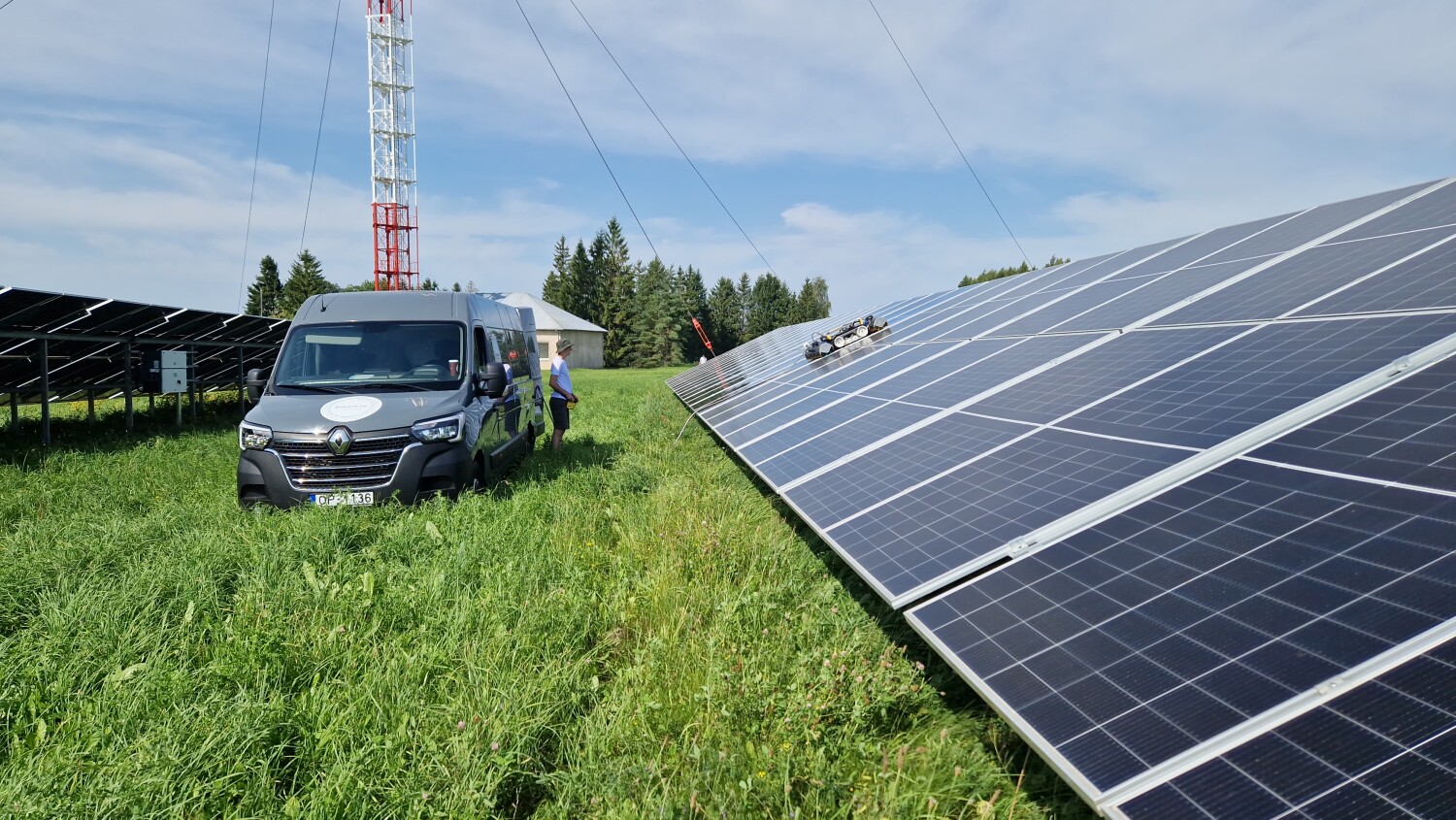
Thermal Drone Inspections for Solar Farms: Precise Diagnostics for Efficiency
In modern solar farm management, precise diagnostics are essential. Thermal drone inspections with the dronepv.eu platform provide rapid and detailed insight into system performance, identifying anomalies and potential defects before they become significant losses.
Introduction: The Role of Technology in the Solar Energy Sector
As the solar energy sector rapidly develops, so does the demand for efficient and precise maintenance solutions. Owners and managers of solar farms and rooftop systems are constantly seeking ways to maximise energy production and extend equipment lifespan. In this context, modern technologies, such as drones, are becoming an invaluable tool.
The dronepv.eu platform has been developed to provide specialised thermal drone inspection solutions, offering an advanced approach to solar panel performance analysis. This approach allows not only for the timely detection of problems but also for data-driven decision-making, which significantly impacts the profitability of a solar farm.
How do Thermal Drone Inspections Work?
Thermal drone inspections are based on the use of high-resolution thermal cameras integrated into unmanned aerial vehicles. These cameras are capable of registering infrared radiation, thereby visualising the surface temperature distribution of solar panels. Temperature differences across panels can indicate various anomalies, such as damaged cells, short circuits, dirt, shading, or other issues affecting performance.
Drones fly over the solar farm, systematically scanning each panel. The acquired thermal images are processed with specialised software that automatically identifies and classifies defects, such as "hot spots", which often signal panel degradation or efficiency losses. This process is significantly faster and more accurate than manual inspections.
Advantages for Solar Farm Owners and Managers
The main advantage of thermal drone inspections is the ability to provide detailed diagnostics without direct physical access to every panel, thereby reducing the time and resources required for maintenance. This method allows for:
1. Rapid defect detection: Identifying hidden or difficult-to-spot defects, such as microcracks, cell damage, or diode failures, which would otherwise go unnoticed until they cause significant power losses. 2. Performance optimisation: Timely problem detection and resolution ensure continuous and maximum energy production, thereby increasing the return on investment. 3. Reduced downtime: Precise defect localisation allows for quicker repairs, reducing farm downtime and energy losses.
These inspections also improve safety by reducing the need for personnel to work at height or in challenging conditions.
The dronepv.eu Platform: Comprehensive Reporting and Analysis
dronepv.eu is not just about thermal drone flights but a comprehensive platform that provides a full service cycle from data collection to analysis and reporting. After the inspection, the acquired data is meticulously processed to create easy-to-understand and actionable reports.
The report includes detailed maps with the locations of all defects, each identified anomaly is classified by severity, and recommendations for necessary repairs are provided. This approach gives solar farm owners and O&M teams a clear overview of the farm's condition and priority tasks, allowing for efficient planning of maintenance activities.
Integration into O&M Strategy and Sustainability
Thermal drone inspections are an indispensable component of a modern O&M (Operations & Maintenance) strategy. Regular inspections, conducted, for example, once a year or after major storms, help maintain solar farms in optimal operating condition throughout their intended lifespan. Such a proactive approach reduces the risk of unplanned outages and ensures stable energy production.
Investments in thermal drone inspections pay off with increased system efficiency, reduced maintenance costs, and a longer equipment lifespan. This contributes to both financial gain and supports sustainable energy production goals, ensuring that solar farms operate at maximum potential.