

How to prepare a solar farm for winter: Ensuring efficiency and safety
The onset of winter presents specific challenges for solar farms. Proper preparation ensures system safety, reduces performance losses, and extends the lifespan of components.
Introduction: Winter challenges for solar farms
While peak solar energy production in Latvia occurs during the summer months, the winter period, with its low temperatures, snow, and reduced solar radiation, poses unique challenges to the performance and safety of solar farms. Improper preparation can not only reduce energy generation but also cause significant damage to equipment and jeopardise personnel safety. Therefore, proactive winter planning and preparation are critical for long-term success.
Targeted action in autumn helps ensure that the solar farm is optimally prepared to withstand harsh winter conditions, maintaining the maximum possible performance and preventing unexpected repairs.
Module cleaning and inspection before winter
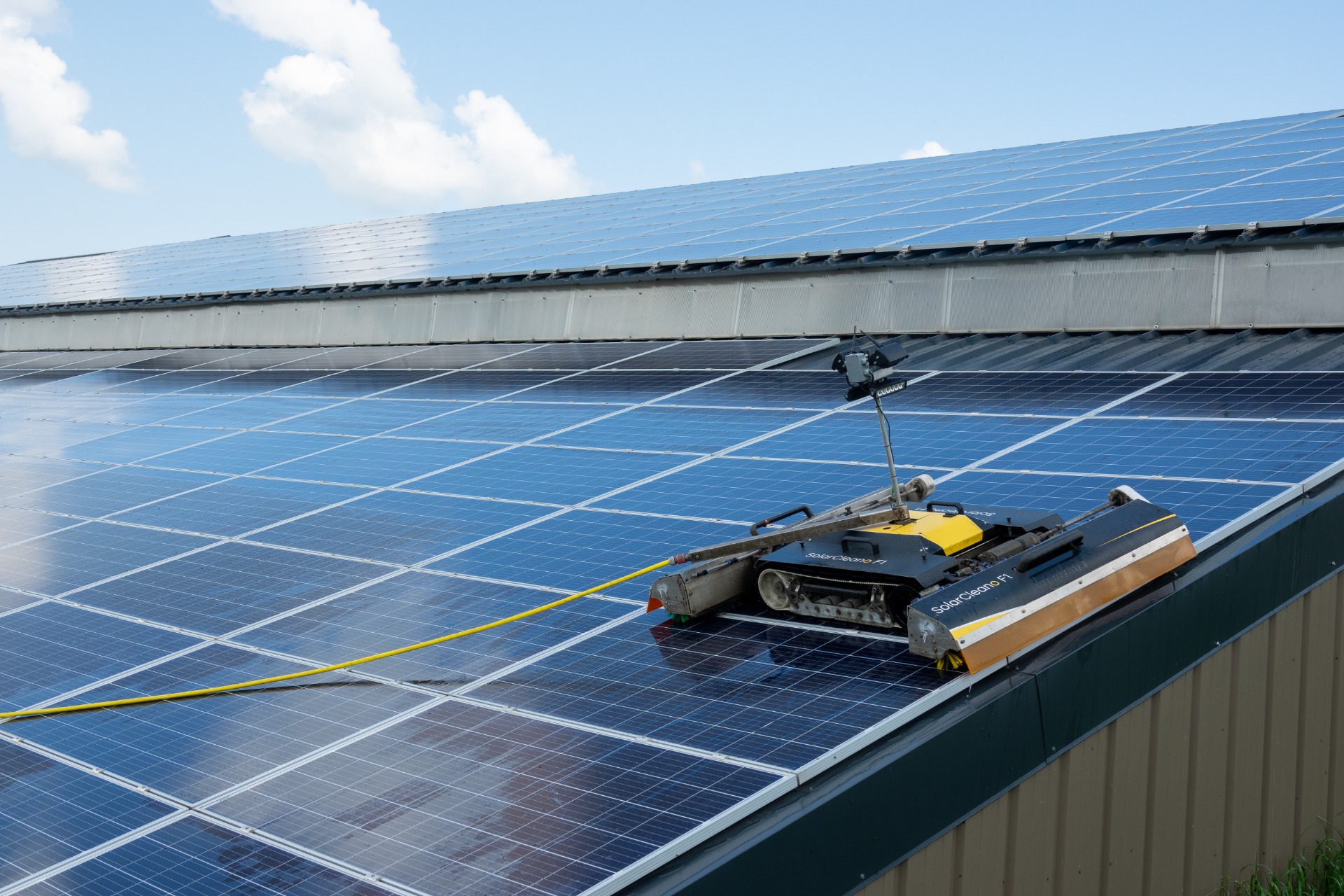
Before the onset of snow and frost, thorough cleaning of solar modules is essential. Dust, bird droppings, leaves, and other debris accumulated during the summer can reduce module efficiency by as much as 5-10%. In winter, this dirt can freeze onto the module surface, creating "hot spots" and increasing the risk of uneven degradation. Robotic panel cleaning with demineralised water ensures optimal results, leaving no limescale deposits.
During cleaning, it is also recommended to perform a visual inspection of the modules – looking for cracks, delamination, or other damage that could worsen in low temperatures. Checking the integrity of electrical cables and connections is important to prevent moisture ingress and corrosion risks.
Preparation of ground infrastructure and cable systems
Ground-level vegetation should be trimmed and tidied in autumn to prevent shading from low sun angles in winter and to minimise cable damage caused by rodents. All cables and connections must be securely fastened and protected from direct contact with snow or standing water. Inspection of the stability of ground structures is essential, considering the potential snow and ice loads.
Ensure that drainage systems are clean and functional to prevent water accumulation and potential freezing around module frames or under structures, which can cause damage or soil erosion.
Inverter and electrical system inspection
Inverters and other electrical system components should undergo a thorough inspection to ensure their proper operation at low temperatures. Ventilation systems must be checked for cleanliness and freedom from dust or debris that could impede cooling. Any loose connections or signs of corrosion should be addressed before winter begins to avoid system outages or safety risks.
It is also advisable to check the effectiveness of the earthing system, which is particularly important for protection against lightning and static electricity, which can occur in specific winter conditions.
Assessment of snow load and shading risks
In winter, snow load is one of the main mechanical risks for solar modules. Reviewing previous snow load calculations and inspecting module fastenings is critical. If possible, a plan for snow removal from modules should be developed if its load exceeds the manufacturer's specified limits. However, care must be taken not to damage the modules during the removal process.
Low sun angles in winter intensify the shading effect. Conduct a visual assessment of surrounding objects (trees, buildings) that do not cast shade in summer but could significantly impact production in winter. Consider vegetation trimming or other measures to mitigate shading.
Adapting monitoring and O&M plans for winter
During the winter period, it is especially important to ensure continuous operation of the solar farm's monitoring system. Early detection of anomalies (e.g., "hot spots" under snow, insufficient performance) allows for quick response and prevention of potential damage or significant performance losses. Thermal drone inspections can also be effective in winter to identify problems invisible to the naked eye.
The O&M plan should include specific procedures for winter conditions, such as ensuring access to the farm in snowy conditions, equipment for snow clearing, and rapid response to emergency situations. Collaboration with an experienced O&M partner, such as pvcare.eu, can ensure that your solar farm is fully prepared and maintained to the highest standard all year round.